














































































































10 Causes of High Blood Pressure: Risk Factors, Symptoms & Treatment
Author: RVLNSV PRASAD
Updated On: September 2026
About Us
Author Bio
Editorial Policy
Contact Us
Quick Answer
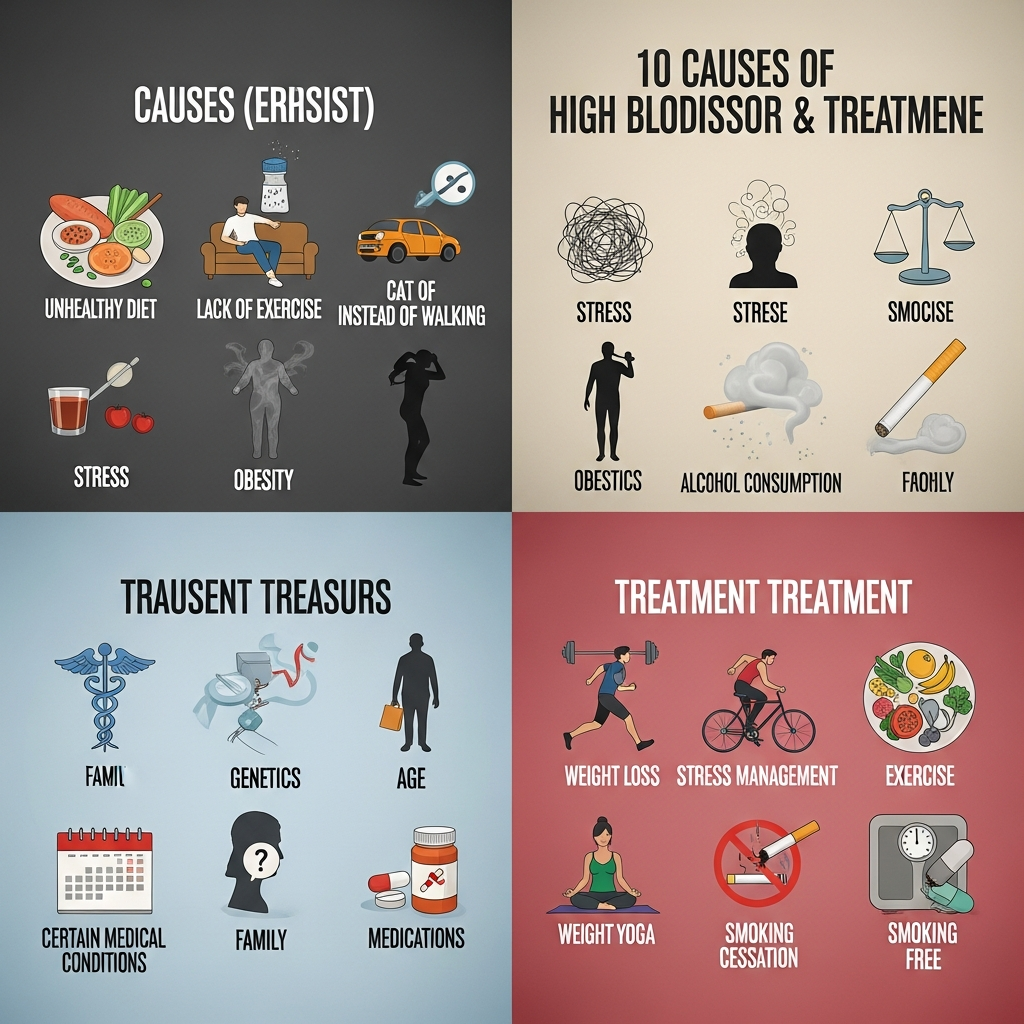
The causes of high blood pressure are not always simple. In most adults, hypertension develops gradually from a combination of genetic, age-related, lifestyle, environmental, and health-related factors rather than from one single cause. Fstre
Common factors that can increase blood pressure include a high-sodium diet, excess weight, physical inactivity, excessive alcohol use, tobacco use, poor sleep, long-term stress, family history, and certain medical conditions. Some medicines and substances can also raise blood pressure.
Most people with high blood pressure do not notice symptoms, so checking your blood pressure is the only reliable way to know whether it is elevated. The World Health Organization (WHO) estimates that about 1.4 billion adults aged 30–79 had hypertension worldwide in 2024.
Treatment depends on your blood pressure level, overall cardiovascular risk, other health conditions, and whether an identifiable cause is present. Lifestyle changes are important, but some people also need prescription medication.
Important: This article is for general education and does not replace an individual medical evaluation. Do not stop or change blood-pressure medication without speaking with your healthcare professional.
Introduction
High blood pressure, also called hypertension, is one of the most common conditions affecting adults, yet many people do not realize they have it. The reason is simple: high blood pressure often causes no noticeable symptoms, even when it remains elevated for a long time. Regular blood pressure checks are therefore important, especially if you have risk factors for hypertension. The World Health Organization (WHO) estimates that about 1.4 billion adults aged 30–79 worldwide had hypertension in 2024, showing how widespread the condition has become.
But what causes high blood pressure?
There is rarely one answer. For many adults, hypertension develops from a combination of factors, including genetics, increasing age, excess body weight, a high-sodium diet, physical inactivity, alcohol use, tobacco exposure, poor sleep, and other lifestyle or environmental influences. In some people, high blood pressure is linked to an identifiable medical condition or medication. This is known as secondary hypertension.
Understanding the difference matters because treating a contributing factor may be an important part of controlling blood pressure. For example, someone with hypertension related to kidney disease, sleep apnea, or a medication may need a different approach from someone whose blood pressure has gradually increased through multiple risk factors.
This guide explains the 10 common causes and risk factors for high blood pressure, how doctors look for underlying causes, when high readings need medical attention, and which lifestyle changes and treatments can help control hypertension.
Important: High blood pressure should not be diagnosed from symptoms alone or from one isolated reading. If you repeatedly get elevated readings, speak with a qualified healthcare professional for proper assessment.
What Is High Blood Pressure?
Blood pressure is the force of blood pushing against the walls of your arteries as your heart pumps.
It is recorded using two numbers:
| Number | What it means |
|---|---|
| Systolic pressure | Pressure in the arteries when the heart contracts |
| Diastolic pressure | Pressure in the arteries when the heart relaxes between beats |
Different medical organizations use somewhat different thresholds and diagnostic approaches. For example, current U.S. guidance classifies consistently measured blood pressure of 130/80 mm Hg or higher as hypertension, while WHO defines hypertension as 140/90 mm Hg or higher when measured on two different days.
That difference is important because one blood pressure reading does not automatically establish a diagnosis.
The NICE hypertension guideline, updated in February 2026, recommends confirming many clinic readings with ambulatory or home blood-pressure monitoring rather than relying on a single measurement.
Primary vs. Secondary High Blood Pressure
One of the most important things to understand when looking at what causes high blood pressure is that hypertension can broadly be divided into two types.
| Type | Meaning | Examples |
|---|---|---|
| Primary hypertension | No single identifiable cause; develops from multiple interacting factors | Age, genetics, excess weight, high sodium intake, inactivity, alcohol, sleep problems |
| Secondary hypertension | High blood pressure caused by another condition, medicine, or substance | Kidney disease, sleep apnea, hormonal disorders, certain medicines |
Most adults with hypertension have primary hypertension, meaning doctors cannot point to one specific underlying disease as the cause. The American Heart Association explains that secondary hypertension occurs when another medical condition or factor causes the blood pressure to rise.
This distinction makes the topic much more useful than simply listing lifestyle habits.
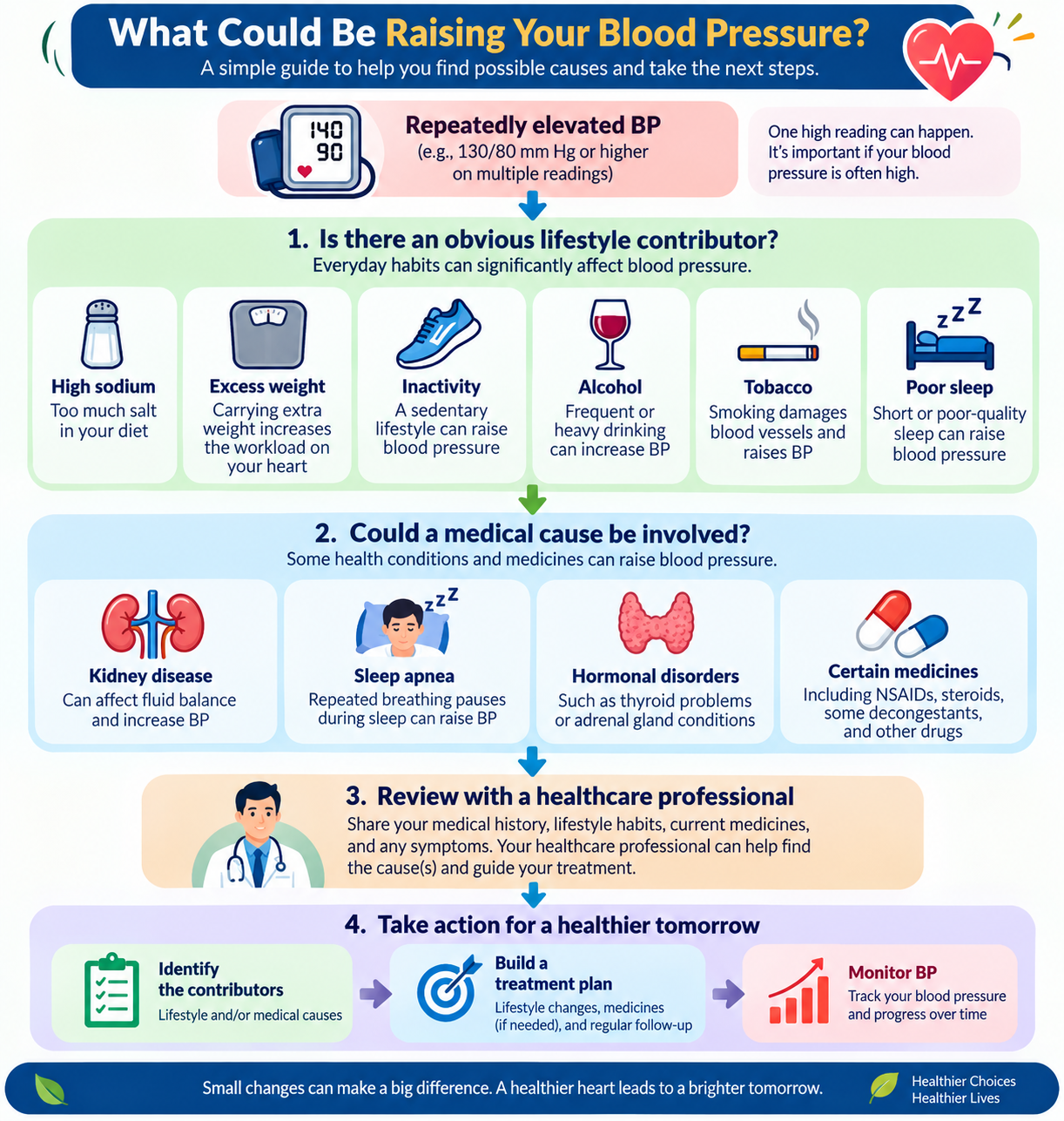
10 Common Causes and Risk Factors for High Blood Pressure
1. Eating Too Much Sodium
A high-sodium diet is one of the most important modifiable contributors to high blood pressure.
Sodium affects fluid balance in the body. For some people, particularly those who are salt-sensitive, consuming too much sodium can contribute to higher blood pressure.
The problem is not always the salt shaker on the dining table. A substantial amount of dietary sodium can come from packaged, processed, restaurant, and prepared foods. The CDC’s guidance on sodium notes that foods that do not taste particularly salty can still contribute significant amounts of sodium when eaten frequently.
Practical ways to reduce sodium
- Read nutrition labels when buying packaged foods.
- Limit highly processed foods.
- Choose fresh vegetables, fruits, beans, and minimally processed foods more often.
- Taste food before automatically adding salt.
- Be careful with sauces, instant foods, pickles, processed meats, and salty snacks.
- Ask about lower-sodium options when eating outside.
The relationship between sodium and blood pressure is well established, although the degree of sensitivity varies between individuals.
2. Higher Weight or Obesity
Excess body weight can increase the likelihood of developing high blood pressure.
The relationship is complex. Increased body weight can affect the heart, blood vessels, kidney function, hormones, and how the body handles sodium and fluid.
You do not need to pursue an extreme diet to improve cardiovascular health.
A sustainable approach may include:
- More vegetables and fruit
- Adequate protein
- High-fiber foods
- Appropriate portions
- Regular physical activity
- Less highly processed food
- Gradual, sustainable weight reduction when medically appropriate
Even when weight is not the main cause of someone’s hypertension, improving overall diet and activity can still be beneficial.
3. Physical Inactivity
A sedentary lifestyle can contribute to higher blood pressure and increases the risk of several cardiovascular conditions.
Regular physical activity helps maintain cardiovascular fitness and can also make it easier to maintain a healthy weight.
The CDC recommends adults aim for about 150 minutes of moderate-intensity physical activity each week, such as brisk walking or cycling, unless a healthcare professional has advised otherwise.
You do not necessarily need an expensive gym membership.
Walking, cycling, swimming, dancing, recreational sports, and strength exercises can all contribute to a more active lifestyle.
If you currently do very little physical activity, starting gradually is usually more realistic than attempting a dramatic exercise routine overnight.
4. Long-Term Stress
Stress deserves a more careful explanation than simply calling it a direct cause of hypertension.
Stress can temporarily increase blood pressure because the body releases hormones that increase heart rate and constrict blood vessels.
The bigger concern may be what happens alongside persistent stress. Chronic stress can contribute to poor sleep, unhealthy eating, physical inactivity, smoking, or increased alcohol consumption.
The American Heart Association notes that excessive stress may contribute to increased blood pressure and may also encourage behaviors that increase cardiovascular risk.
Helpful approaches can include:
- Regular physical activity
- Consistent sleep
- Relaxation techniques
- Time outdoors
- Social support
- Addressing work or lifestyle stressors
- Professional support when stress becomes difficult to manage
Stress management should complement, rather than replace, appropriate medical treatment.
5. Smoking and Tobacco Use
Smoking is not a treatment for high blood pressure. It is a cardiovascular risk factor.
Nicotine can temporarily increase blood pressure and heart rate. Tobacco smoke also damages blood vessels and substantially increases cardiovascular risk.
If you smoke, quitting is one of the most valuable steps you can take for cardiovascular health.
If quitting is difficult, do not interpret that as a lack of willpower. Evidence-based cessation support, counseling, and appropriate treatments can improve the likelihood of success.
6. Drinking Too Much Alcohol
Regularly drinking excessive amounts of alcohol can increase blood pressure.
The effect can depend on the amount consumed, drinking pattern, individual health, and other factors.
The CDC and WHO both identify excessive alcohol consumption as a modifiable risk factor for hypertension.
If you do not drink alcohol, you do not need to start drinking for cardiovascular benefits.
If you drink, discuss an appropriate limit with your healthcare professional, particularly if you already have high blood pressure or take medication.
7. Family History, Age, and Genetics
Not every risk factor can be changed.
A family history of hypertension can increase your likelihood of developing high blood pressure. Blood pressure also tends to rise with age as blood vessels undergo structural changes.
The NHLBI explains that age, family history, and genetics can affect hypertension risk.
Having a family history does not mean that high blood pressure is inevitable.
Instead, it means that monitoring and preventive habits may be particularly important.
What you can control
You cannot change your genes or age.
You can often influence:
- Physical activity
- Dietary pattern
- Sodium intake
- Alcohol consumption
- Tobacco use
- Weight
- Sleep
- Medication adherence
- Regular blood pressure monitoring
That distinction is important because genetic risk should encourage prevention, not fatalism.
8. Poor Sleep and Sleep Apnea
Sleep is another frequently overlooked part of blood-pressure health.
Poor-quality or insufficient sleep may be associated with higher cardiovascular risk. Obstructive sleep apnea is particularly important because repeated interruptions in breathing during sleep can affect blood pressure and cardiovascular health.
The NHLBI lists poor-quality sleep and sleep apnea among factors associated with high blood pressure.
Possible clues to sleep apnea include:
- Loud habitual snoring
- Pauses in breathing noticed by another person
- Gasping during sleep
- Excessive daytime sleepiness
- Morning headaches
- Difficulty concentrating
Not everyone who snores has sleep apnea, but persistent symptoms are worth discussing with a healthcare professional.
9. An Unhealthy Overall Diet
Sodium is important, but looking at only one nutrient can miss the bigger picture.
A dietary pattern high in highly processed foods and low in vegetables, fruit, fiber, and other nutrient-rich foods may contribute to cardiovascular risk.
A DASH-style eating pattern is one evidence-based approach commonly used to support blood-pressure management.
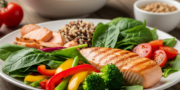
A simple plate approach
| Include more often. | Limit more often. |
|---|---|
| Vegetables | Highly processed foods |
| Fruits | Excessively salty foods |
| Beans and lentils | Processed meats |
| Whole grains | Foods high in saturated fat |
| Nuts and seeds | Sugary foods and drinks |
| Fish and other nutritious protein sources | Excess alcohol |
The goal is not perfection at every meal.
Consistency over weeks and months matters more than making one “perfect” meal.
10. Medical Conditions, Medicines, and Other Substances
Sometimes the answer to “what causes high blood pressure?” is not lifestyle-related.
Certain medical conditions can contribute to hypertension, including:
- Chronic kidney disease
- Obstructive sleep apnea
- Thyroid disorders
- Certain hormonal disorders
- Some vascular conditions
- Certain tumors or endocrine disorders
Some medicines and substances can also increase blood pressure.
Examples include certain:
- Decongestants
- Nonsteroidal anti-inflammatory drugs
- Antidepressants
- Hormonal medicines
- Stimulant substances
Do not stop a prescribed medicine because you suspect it is affecting your blood pressure.
Instead, ask your doctor or pharmacist whether the medicine could contribute and whether an alternative is appropriate.
Why Does High Blood Pressure Sometimes Have No Symptoms?
One of the biggest problems with hypertension is that it can develop without obvious warning signs.
Many people feel completely normal even when their blood pressure is persistently elevated.
That is why you should not use symptoms alone to decide whether your blood pressure is healthy.
The CDC states that high blood pressure usually has no warning signs or symptoms.
The only practical way to know your blood pressure is to measure it properly.
How Is High Blood Pressure Diagnosed?
Diagnosis should not usually depend on one isolated reading.
Your blood pressure can temporarily change because of stress, physical activity, caffeine, smoking, pain, illness, or measurement technique.
The NHLBI recommends proper preparation and repeated measurements. Before measuring, sit quietly for several minutes, keep your feet supported, avoid talking, and position your arm correctly.
NICE also recommends ambulatory or home monitoring in many adults when clinic blood pressure is elevated but not extremely high.
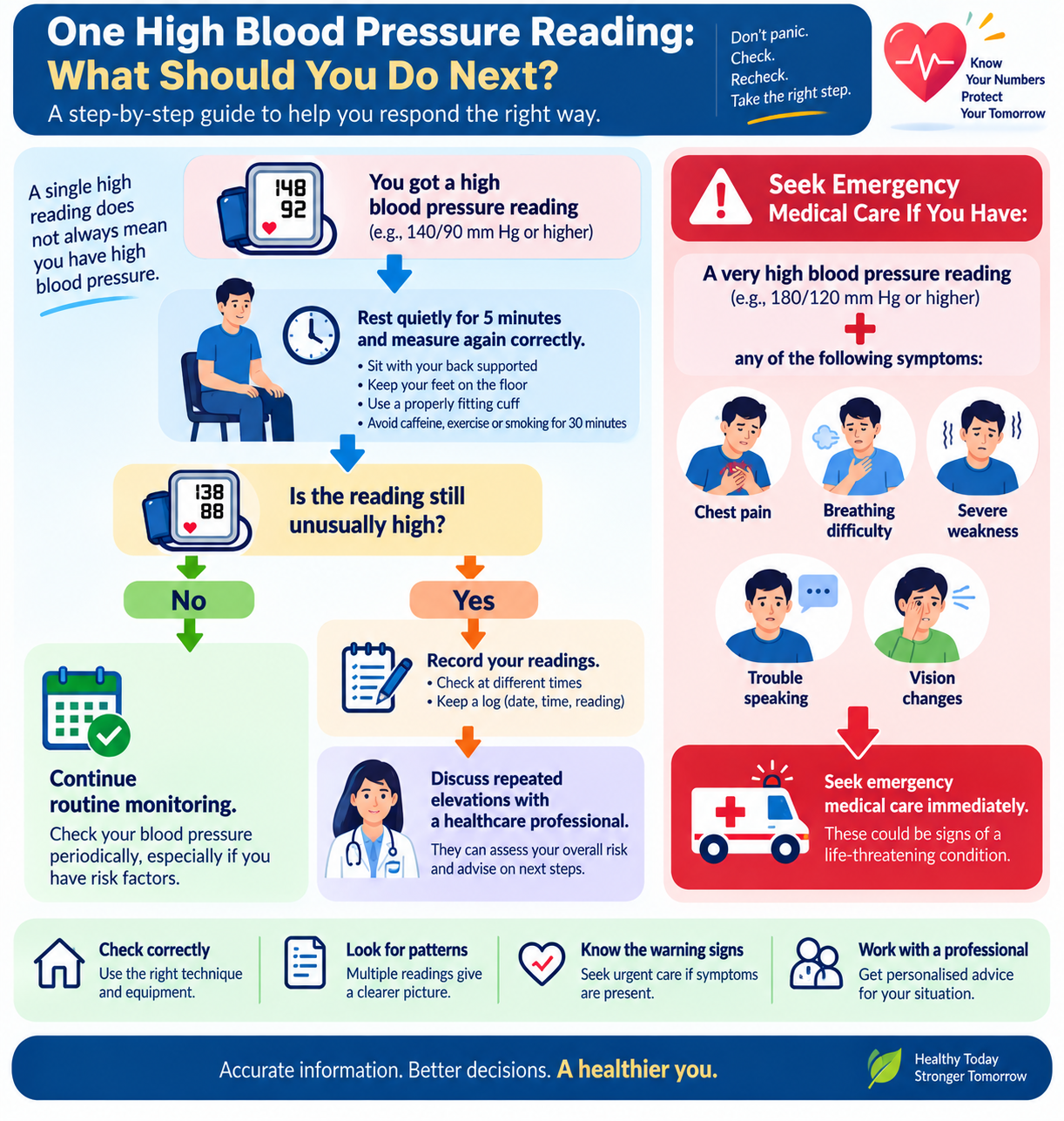
A Better Home Blood Pressure Routine
| Step | What to do |
|---|---|
| 1 | Avoid exercise, smoking, and caffeine for about 30 minutes beforehand. |
| 2 | Empty your bladder. |
| 3 | Sit quietly for at least 5 minutes. |
| 4 | Keep your feet flat on the floor. |
| 5 | Support your arm at heart level. |
| 6 | Use an appropriately sized cuff. |
| 7 | Do not talk during the measurement. |
| 8 | Record the reading and follow your clinician’s monitoring instructions. |
Poor technique can create misleading numbers.
Treatment for High Blood Pressure
Treatment is individualized.
Some people can improve their blood pressure substantially through lifestyle changes. Others require medication from the beginning, particularly when blood pressure is significantly elevated or cardiovascular risk is high.
The NHLBI explains that treatment may include heart-healthy lifestyle changes, medication, or both.
The 2025 American Heart Association/American College of Cardiology hypertension guideline emphasizes accurate measurement, cardiovascular-risk assessment, home monitoring, and individualized treatment decisions.
Lifestyle treatment may include
- Reducing sodium
- Eating a heart-healthy dietary pattern
- Increasing physical activity
- Achieving or maintaining a healthy weight
- Avoiding tobacco
- Limiting alcohol
- Improving sleep
- Managing stress
Medicines may include
Common classes include
| Medication class | General role |
|---|---|
| ACE inhibitors | Help relax blood vessels and reduce blood-pressure load. |
| ARBs | Block angiotensin II effects and help relax blood vessels. |
| Calcium channel blockers | Help relax blood vessels. |
| Diuretics | Help the body remove excess sodium and water |
| Other medicines | May be appropriate depending on the individual situation |
The best medication depends on your blood pressure, age, kidney function, cardiovascular risk, pregnancy status, other medical conditions, and medicines you already take.
Never start, stop, or change blood-pressure medication without professional advice.
My Personal Experience: The Lesson I Would Share
Use this section only after replacing it with your real experience. Do not publish a personal medical story that is not true.
A useful personal section can explain what you actually learned from monitoring blood pressure, changing your lifestyle, speaking with a healthcare professional, or helping a family member understand hypertension.
For example, you could describe:
- Whether you initially underestimated the importance of regular blood-pressure checks
- What made you start paying attention to your readings
- Which lifestyle change was easiest to maintain
- Which change was difficult
- What you learned about relying on a single reading
- Why professional medical advice mattered
The most valuable personal experience is not a dramatic claim that one home remedy “cured” hypertension.
It is an honest explanation of what helped you understand the condition and make safer decisions.
Common Mistakes People Make About High Blood Pressure
Mistake 1: Waiting for symptoms
Hypertension often has no obvious symptoms.
Better approach: Check your blood pressure regularly and discuss persistent abnormal readings with a healthcare professional.
Mistake 2: Diagnosing yourself from one reading
A single elevated measurement can be useful information, but it does not always establish chronic hypertension.
Better approach: Repeat measurements correctly and follow your clinician’s recommended monitoring plan.
Mistake 3: Blaming salt for every case
Salt matters, but hypertension usually has multiple contributing factors.
Better approach: Look at the entire risk profile, including weight, activity, sleep, alcohol, tobacco, family history, medicines, and other medical conditions.
Mistake 4: Stopping medicine after one good reading
A good reading may mean treatment is working.
It does not necessarily mean the underlying tendency toward hypertension has disappeared.
Better approach: Take medicines exactly as prescribed and discuss changes with your healthcare professional.
Mistake 5: Assuming natural remedies are automatically safe
“Natural” does not mean harmless.
Some supplements, stimulants, and herbal products may interact with medicines or affect blood pressure.
Better approach: Tell your doctor or pharmacist about supplements and over-the-counter products you use.
Mistake 6: Treating stress as the only cause
Stress can influence blood pressure, but blaming hypertension entirely on stress may cause other risk factors or medical causes to be overlooked.
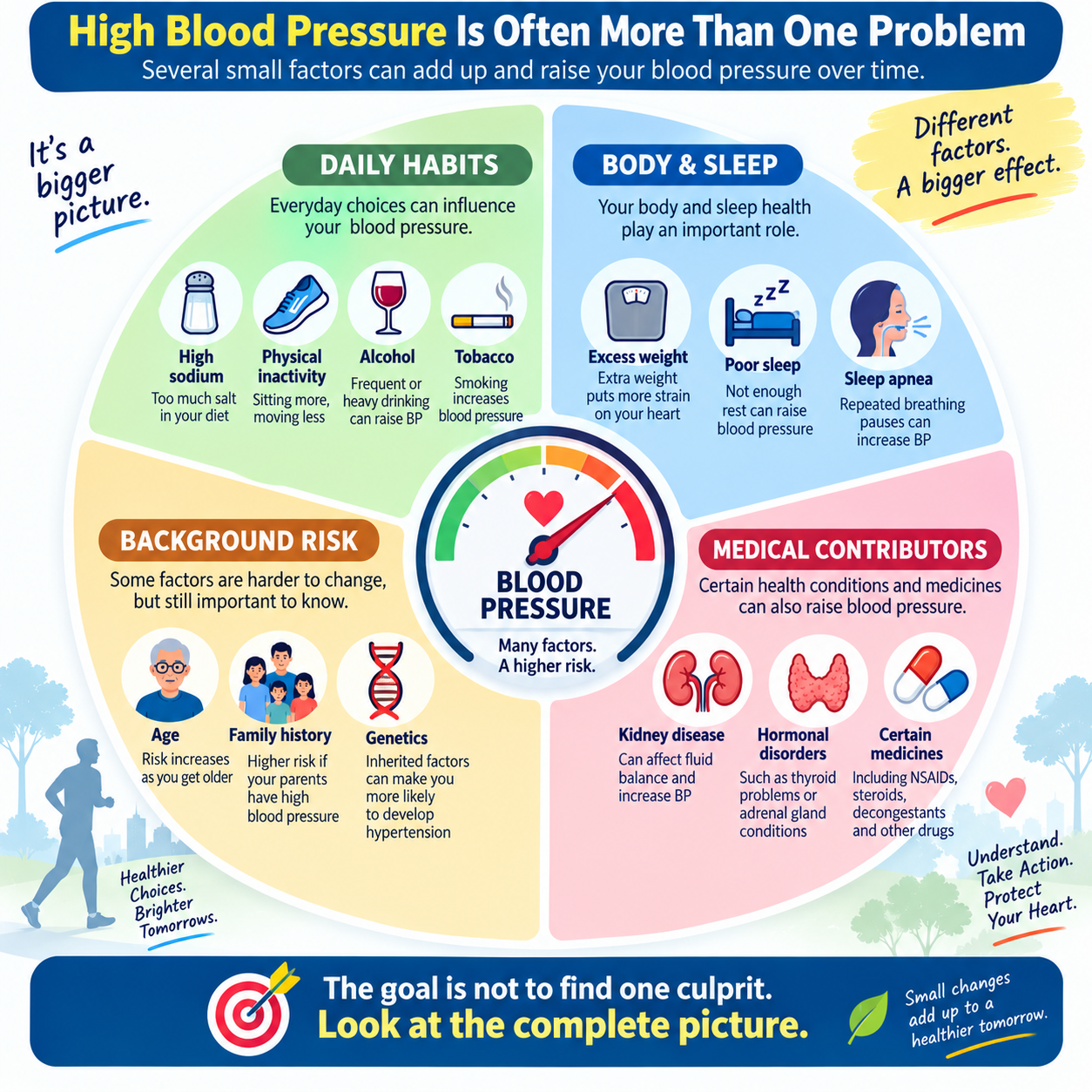
Better approach: Consider the complete picture.
When Should You See a Doctor?
Arrange a medical evaluation if your blood pressure readings are repeatedly higher than the range recommended for you.
You should also discuss high blood pressure if you have risk factors such as:
- Diabetes
- Kidney disease
- Sleep apnea
- Previous heart disease
- Previous stroke
- A strong family history
- Pregnancy or plans for pregnancy
- Persistent headaches or other concerning symptoms
Your clinician may assess your blood pressure pattern, medical history, medications, cardiovascular risk, kidney function, urine findings, and other relevant factors. NICE recommends assessment for cardiovascular risk and, for people with diagnosed hypertension, investigations that can include urine testing, blood tests, examination for hypertensive retinopathy, and an ECG.
When Is High Blood Pressure an Emergency?
Very high blood pressure requires particular attention.
If your reading is above 180/120 mm Hg, repeat it after resting briefly and follow urgent medical advice. If a very high reading occurs together with symptoms such as
- Chest pain
- Severe difficulty breathing
- Sudden weakness or numbness
- Trouble speaking
- Sudden vision changes
- Severe headache
- Severe chest, abdominal, or back pain
Seek emergency medical care.
The NHLBI provides specific emergency guidance for readings above 180/120 mm Hg, particularly when symptoms suggesting organ damage are present.
Do not attempt to rapidly lower dangerously high blood pressure with unproven home remedies.
Frequently Asked Questions
What is the most common cause of high blood pressure?
For many adults, there is no single identifiable cause. This is called primary hypertension and develops from a combination of genetic, age-related, lifestyle, and environmental influences.
Can eating too much salt cause high blood pressure?
Yes. Excess sodium intake can raise blood pressure, particularly in salt-sensitive individuals. Reducing sodium is an important part of a heart-healthy lifestyle.
Can stress cause high blood pressure?
Stress can temporarily raise blood pressure. Persistent stress may also contribute indirectly through poor sleep, inactivity, unhealthy eating, smoking, or increased alcohol consumption.
Can high blood pressure be caused by kidney disease?
Yes. Kidney disease can contribute to secondary hypertension, and hypertension can also damage the kidneys. This relationship is one reason persistent high blood pressure deserves medical evaluation.
Can lack of exercise increase blood pressure?
Yes. Physical inactivity is an established risk factor for high blood pressure. Regular physical activity can help improve cardiovascular health and support healthy blood pressure.
Can poor sleep raise blood pressure?
Poor sleep and sleep apnea are associated with increased risk of hypertension. Persistent snoring, breathing pauses during sleep, or excessive daytime sleepiness should be discussed with a healthcare professional.
Can medicines cause high blood pressure?
Some medicines can raise blood pressure or make it harder to control. Examples include certain decongestants, NSAIDs, antidepressants, and hormonal medicines. Ask a doctor or pharmacist before changing prescribed treatment.
Can high blood pressure go away?
Blood pressure can improve substantially with lifestyle changes and appropriate treatment. However, whether medication can be reduced or stopped depends on the individual. Never stop treatment without medical guidance.
Final Takeaway
The causes of high blood pressure are usually more complicated than one food, one stressful event, or one lifestyle habit.
For many people, hypertension develops through a combination of factors such as genetics, age, excess weight, high sodium intake, physical inactivity, alcohol, tobacco use, poor sleep, and other health conditions.
The most useful first step is not to search for one miracle remedy.
It is to measure your blood pressure correctly, understand your personal risk factors, identify possible underlying causes, and work with a healthcare professional on an appropriate plan.
Healthy eating, regular physical activity, weight management when appropriate, avoiding tobacco, limiting alcohol, improving sleep, and taking prescribed medication can all play an important role in controlling blood pressure.
Because hypertension often causes no noticeable symptoms, regular monitoring matters even when you feel completely well.
For evidence-based information, readers can also consult the World Health Organization’s hypertension guidance, the CDC’s high blood pressure resources, the NHLBI’s hypertension information, and the 2025 AHA/ACC hypertension guideline.
Author’s Note
I created this guide to explain the common causes and risk factors of high blood pressure in simple, practical language. My goal is to help readers understand why blood pressure can become elevated, what factors they can potentially change, and when persistent or very high readings deserve professional attention.
This article is based on information from established medical and public health organizations, including the World Health Organization (WHO), Centers for Disease Control and Prevention (CDC), National Heart, Lung, and Blood Institute (NHLBI), American Heart Association (AHA), and NICE.
Because recommendations can change as medical evidence develops, this article is reviewed and updated when important guidance or evidence changes.
Medical Disclaimer
This article is provided for general educational and informational purposes only. It is not intended to diagnose, treat, cure, or prevent high blood pressure or any other medical condition.
Blood-pressure readings can vary between individuals and circumstances. A healthcare professional can interpret your readings alongside your medical history, medications, other health conditions, and overall cardiovascular risk.
Do not start, stop, or change prescription medication based solely on information in this article. If you have repeatedly elevated blood-pressure readings or concerns about your health, speak with a qualified healthcare professional.
If you have a very high blood-pressure reading accompanied by symptoms such as chest pain, severe difficulty breathing, sudden weakness, trouble speaking, or sudden vision changes, seek emergency medical care.
Sources
- World Health Organization (WHO) — Hypertension
- World Health Organization — Global Report on Hypertension 2025
- WHO India — Hypertension
- NHLBI — High Blood Pressure: Causes and Risk Factors
- CDC — High Blood Pressure
- CDC — High Blood Pressure Prevention
- American Heart Association — 2025 High Blood Pressure Guideline
- NICE — Hypertension in Adults: Diagnosis and Management
Related Content
7 Simple Health Changes to Reduce The Risk of Chronic Disease







[…] 10 Causes of High Blood Pressure & Treatment […]
[…] 10 Causes of High Blood Pressure & Treatment […]
[…] 10 Causes of High Blood Pressure & Treatment […]
[…] 10 Causes of High Blood Pressure & Treatment […]